
Vietnamese Coffee: A Rich Legacy from French Colonies to Global Fame
Discover the rich history and unique flavor of Vietnamese coffee. From its origins in French colonial times to becoming the world's second-largest exporter, learn about the traditional Phin drip brewing method, the ingenious use of condensed milk, and why this bold, chocolatey brew is loved worldwide.
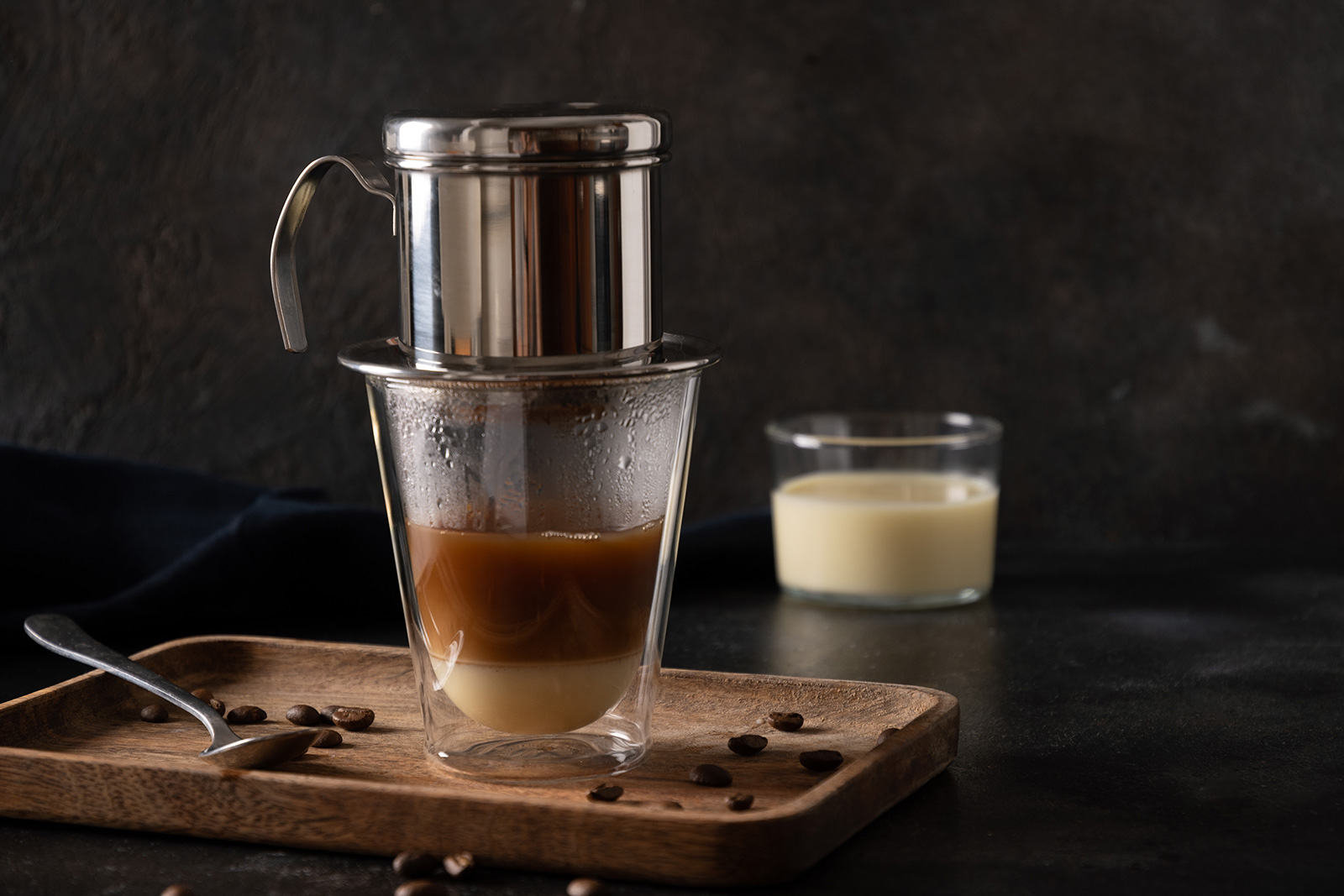
If you are a coffee lover, Vietnamese coffee is an experience you simply cannot miss. This Southeast Asian nation is not only famous for its breathtaking landscapes and delicious cuisine but has also captivated the taste buds of coffee enthusiasts worldwide with its unique culture. Today, let’s dive into the history, uniqueness, and journey of how Vietnam became the world's second-largest coffee exporter.
The Origin: A Gift from French Colonization
The story begins in the 19th century during the French colonial period. The French brought coffee beans to Vietnam, initially to satisfy their own daily cravings. Little did they know, this would mark the beginning of a deep-rooted romance between Vietnam and coffee. Vietnam's climate and soil, especially in the Central Highlands region, proved to be ideal for coffee cultivation. Over time, coffee farming flourished, and today, Vietnam stands as the world's second-largest coffee exporter, second only to Brazil.
The Unique Drip Coffee: A Rich Experience Without Paper Filters
One of the most distinctive features of Vietnamese coffee is its brewing method. Influenced by French culture, the Vietnamese use a small metal drip filter called a Phin. This simple tool requires no paper filter. Coarse coffee grounds are placed inside the Phin, and hot water is poured over them. The coffee then slowly drips, drop by drop, into the cup below—a slow, meditative process full of ritual.
Because no paper filter is used, the coffee’s natural oils and sediments are fully retained, resulting in a full-bodied, robust, and intensely flavorful cup. Combined with the characteristic dark roast, often featuring hints of charcoal and deep chocolate notes, every sip is a memorable experience.
The Addition of Condensed Milk: A Creative Twist Born from Necessity
During the early colonial days, fresh milk was scarce in Vietnam. Unable to enjoy their beloved café au lait, the French—and later the locals—improvised by using sweetened condensed milk instead. This ingenious solution not only solved the milk shortage but also accidentally created the globally beloved Vietnamese coffee we know today.
The sweetness of the condensed milk perfectly balances the strong, bold bitterness of the coffee, creating a harmonious blend of bitter and sweet. Whether served hot or over ice, this combination is simply irresistible.
The Rise to the World's Second-Largest Exporter
Today, Vietnam is not just a major consumer of coffee but also a global powerhouse in coffee production. The country primarily grows two types of beans: Robusta and Arabica. Robusta, known for its high yield and strong resistance to disease, makes up the majority of Vietnam's output. The Vietnamese coffee industry not only meets domestic demand but also exports massive quantities to markets around the world, particularly in Europe and North America.
How to Make Authentic Vietnamese Coffee at Home
Want to recreate this rich experience in your own kitchen? It’s easier than you think. Here’s what you’ll need:
- A Vietnamese Phin filter
- Coarse-ground Vietnamese coffee (preferably a dark, chocolatey Robusta blend)
- Sweetened condensed milk
- Hot water
Instructions:
- Prepare the Cup: Add 2-3 tablespoons of condensed milk to your glass or cup (adjust to your preferred sweetness).
- Set Up the Phin: Place the Phin filter on top of the cup. Add 2-3 teaspoons of coffee grounds into the filter chamber and gently press them down with the filter press.
- Bloom the Coffee: Pour a small amount of hot water (just enough to saturate the grounds) into the Phin. Wait about 20-30 seconds for the coffee to bloom.
- Brew: Fill the Phin chamber with more hot water and place the lid on top. Let the coffee slowly drip through. This process takes about 5-10 minutes.
- Stir and Enjoy: Once all the coffee has dripped, stir well to mix the dark coffee with the condensed milk. If you prefer an iced version, simply fill a glass with ice and pour the hot coffee mixture over it.
Conclusion
Vietnamese coffee is more than just a beverage; it is a cultural emblem. It carries the history of French colonialism, blends it with Vietnamese ingenuity and creativity, and results in a flavor profile that is entirely its own. Whether you are a coffee connoisseur or simply curious about different cultures, Vietnamese coffee is an experience worth having. Next time you crave a cup of coffee, try this story-rich brew and let its rich, bold, and sweet flavors warm your soul.